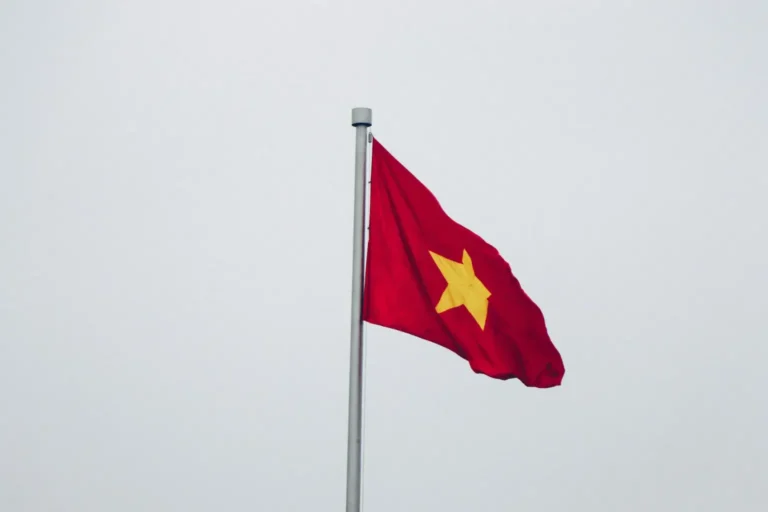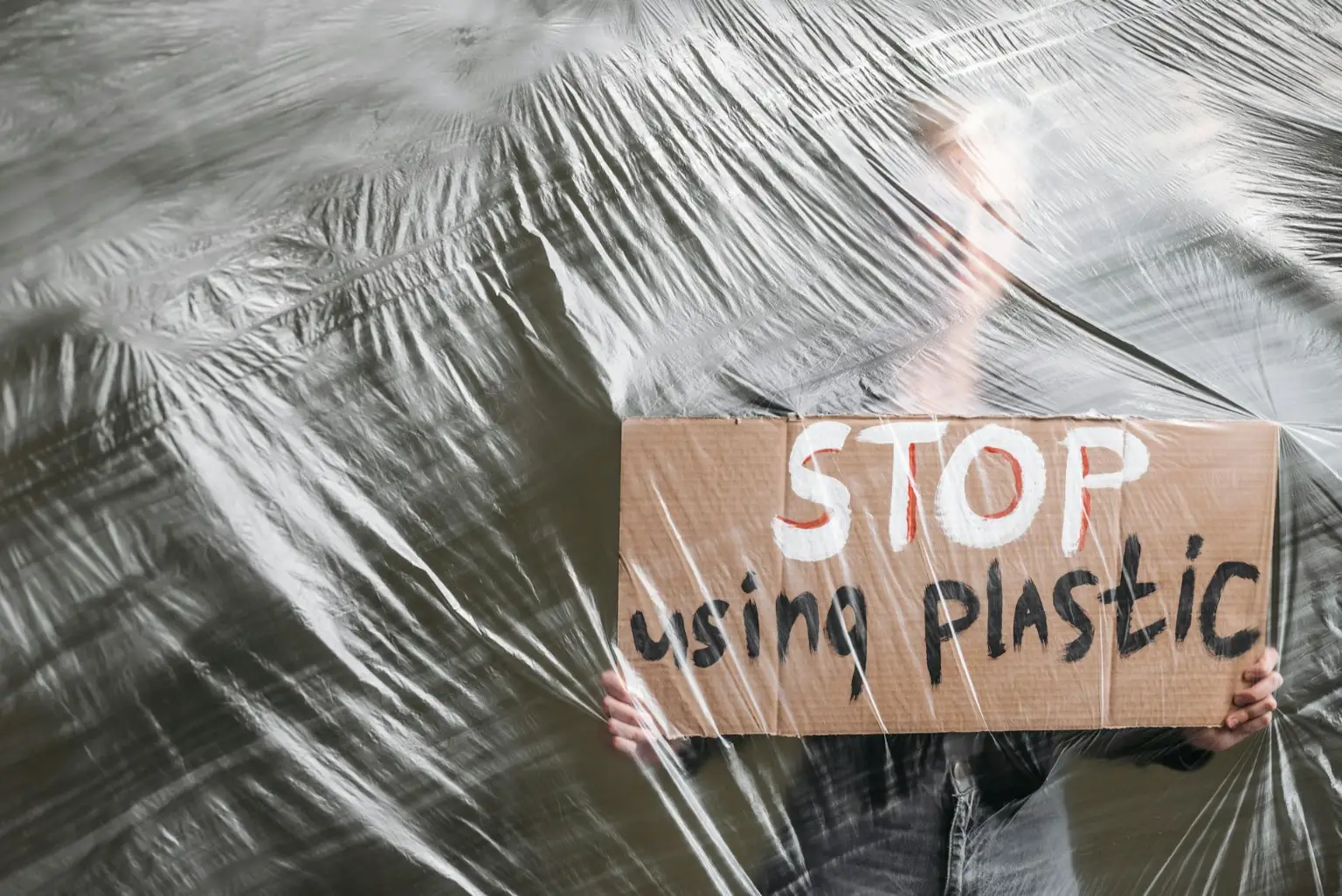
In a groundbreaking move for environmental conservation, Vietnam has officially banned single-use plastics in its major cities. The new regulation, which came into effect on March 1, 2025, aims to tackle the growing plastic pollution crisis and promote sustainable living across the country.
Quick Navigation
A Bold Step Towards Sustainability
The Vietnamese government announced this initiative as part of its broader environmental strategy to achieve net-zero emissions by 2050. The ban includes plastic bags, straws, cutlery, and Styrofoam containers in major metropolitan areas such as Hanoi, Ho Chi Minh City, and Da Nang. Businesses, restaurants, and supermarkets are required to replace these items with biodegradable or reusable alternatives.
Government officials have emphasized that this ban is only the first step in a larger effort to transition the country toward a circular economy. Future plans include stricter regulations on plastic manufacturing and incentives for companies investing in sustainable materials.
Why the Ban Matters
Vietnam is among the top five countries contributing to plastic waste in the ocean. The excessive use of plastic has led to severe environmental consequences, affecting marine life and human health. Single-use plastics clog waterways, harm aquatic species, and release toxic chemicals into the environment. Studies indicate that millions of tons of plastic waste end up in Vietnam’s rivers and seas each year, much of it being improperly disposed of or inadequately managed.
By prohibiting single-use plastics, Vietnam hopes to reduce waste, encourage eco-friendly alternatives, and raise awareness about responsible consumption. The new law also aligns with global sustainability efforts, as many countries have already implemented similar measures to curb plastic pollution.
Impact on Businesses and Consumers
While the ban is widely seen as a positive change, businesses and consumers are adapting to the transition. Many companies are investing in sustainable packaging and eco-friendly products. Some local enterprises have already switched to materials like bamboo, paper, and biodegradable plastics. The government has also launched awareness campaigns to educate the public about the importance of reducing plastic use.
Restaurants and street food vendors, a staple of Vietnam’s vibrant culinary culture, are among the most affected. Many vendors have begun using reusable containers, and some have even introduced discount programs for customers who bring their own packaging. Supermarkets and convenience stores are also moving towards paper bags and cloth alternatives, often encouraging shoppers to bring their own reusable bags.
Consumers, too, are adjusting their habits. Many urban residents have embraced reusable items such as metal straws, cloth shopping bags, and refillable water bottles. This shift in behavior is expected to have long-term benefits, creating a culture of sustainability that extends beyond the immediate impact of the ban.
Challenges and Implementation
Despite the positive outlook, implementing the ban poses challenges. Some businesses have expressed concerns about the cost of switching to eco-friendly alternatives. While biodegradable materials exist, they often come at a higher price, which may lead to increased costs for consumers. To address this, the government has proposed financial incentives and subsidies for businesses adopting sustainable practices.
Another challenge lies in enforcement. Ensuring compliance across Vietnam’s densely populated cities requires coordinated efforts from authorities, businesses, and citizens. The government has established monitoring teams to inspect businesses and penalize those violating the regulations. Additionally, local environmental groups are playing a crucial role in educating communities and assisting in waste management programs.
Enforcement and Penalties
Authorities have implemented strict measures to ensure compliance. Businesses caught violating the ban face hefty fines, and repeat offenders could risk closure. The government is also working with environmental organizations and local communities to monitor the implementation and effectiveness of the ban.
To ensure public cooperation, authorities are emphasizing education over punishment in the early stages. Public awareness campaigns and workshops are being held in schools and community centers to highlight the benefits of reducing plastic waste.
A Model for Other Nations
Vietnam’s decision to ban single-use plastics sets a strong example for other developing nations struggling with plastic waste. By taking a firm stance, the country is proving that economic growth and environmental responsibility can go hand in hand. The success of this policy could encourage neighboring countries in Southeast Asia to adopt similar measures, creating a regional movement toward sustainability.
In addition to its environmental impact, the ban is expected to drive innovation in the packaging industry. Entrepreneurs and manufacturers are exploring alternative materials such as banana leaves, coconut husks, and seaweed-based packaging to replace traditional plastic products. These innovations could position Vietnam as a leader in eco-friendly solutions within the region.
This landmark decision is expected to significantly reduce plastic waste and pave the way for a cleaner, greener Vietnam. As the nation embraces sustainable alternatives, it moves closer to a future where plastic pollution is a thing of the past.
For travelers and residents alike, now is the perfect time to support Vietnam’s green movement by choosing eco-friendly products and reducing plastic waste. Whether by refusing plastic bags, opting for reusable containers, or supporting businesses that prioritize sustainability, every small effort contributes to a larger impact. Together, we can contribute to a more sustainable world.